

Vacuum Comparisons: Model by Model and Class by Class
Six pages that put robot and stick vacuum listings next to each other and next to their whole class, marking which figures two independent sources agree on and where a listing contradicts itself.
What is on these pages
A review tells you what one vacuum’s listing says. These pages put listings next to each other and next to the whole class. There are two kinds. Head-to-head pages take two specific models and compare them on what the listings state, marking which figures both our review and Amazon’s detail page agree on and which come from only one. Class reports take every reviewed machine of one type and ask what the published specifications say when taken together.
None of it is tested. No vacuum here has been run for us, so every figure is the manufacturer’s, and every page says so. There are no prices, because Amazon changes them daily, and no star ratings or review counts, because Amazon’s terms do not let us publish them. There is no league table and no single recommended pick: each page offers the conditions under which a machine suits you and the conditions under which it does not.
What a vacuum listing tells you, in numbers
| Reviewed | Median weight | Median runtime | Median stated noise | |
|---|---|---|---|---|
| Robot | 27 | 4.8 kg | 120 min | 60 dB (12 state) |
| Stick | 23 | 2.7 kg | 45 min | 75 dB (14 state) |
| Upright | 24 | 5.6 kg | corded | 80 dB (15 state) |
| Handheld | 26 | 0.7 kg | 19 min | 79 dB (18 state) |
The table is built from the same checked catalogue as the pages below, and three of its rows hide a pattern worth knowing before you compare anything. Robots, sticks and handhelds all state a runtime, but it is a different thing in each: a ceiling on the lowest setting for a stick, a long figure for a robot, ten to twenty minutes for a handheld. Weight means the machine for most classes and, for robots, sometimes the machine plus a station. And 17 of the 47 noise figures stated by sticks, uprights and handhelds are exactly 80 dB, a value that no robot states.
Robot vacuum comparisons
Robots are where the listings disagree with themselves most, mostly about weight and about what the dock does. The class report measures suction claims, runtime and the split between robots listed at three kilograms and robots listed at six or more. The two comparisons each take a pair that makes a different point.
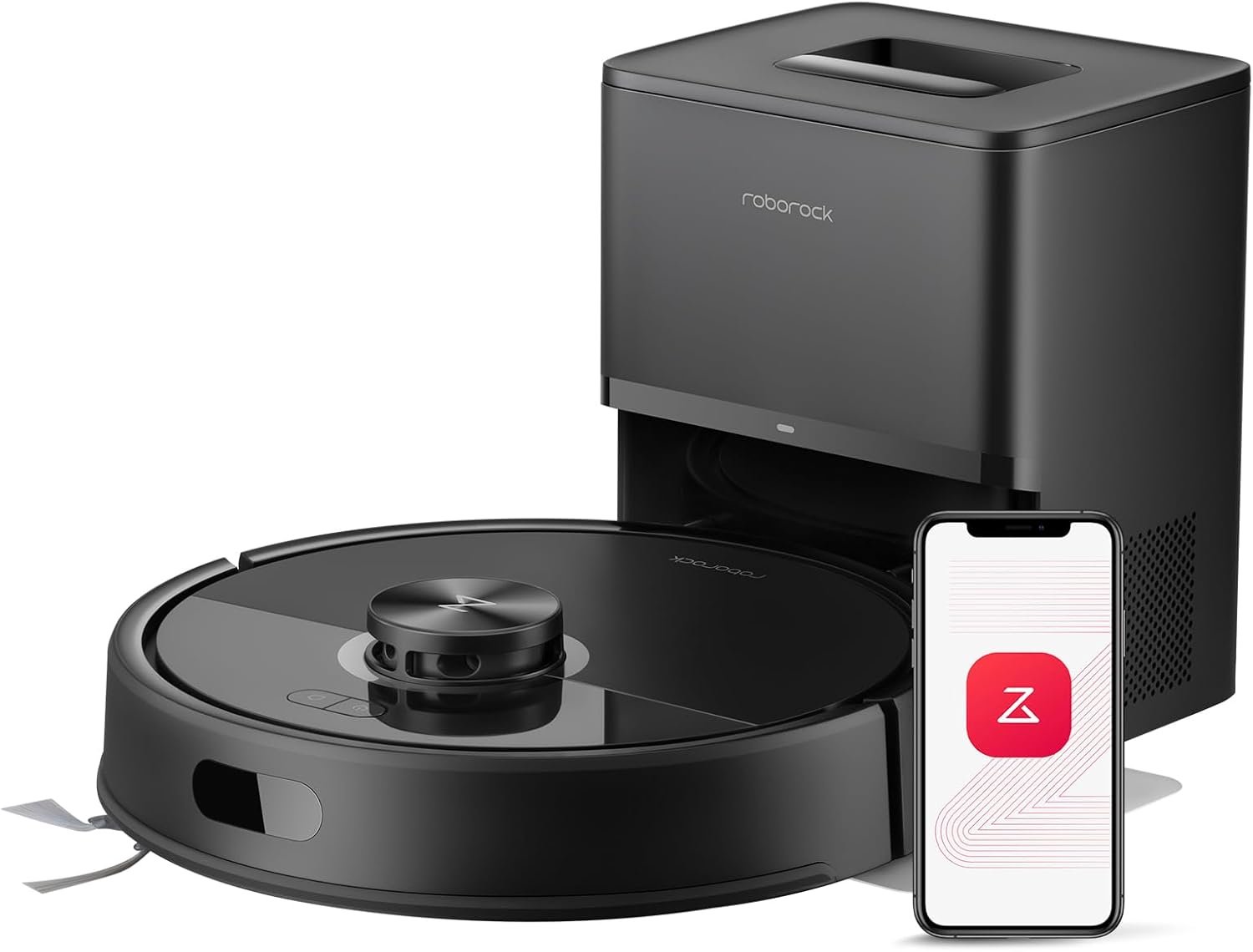
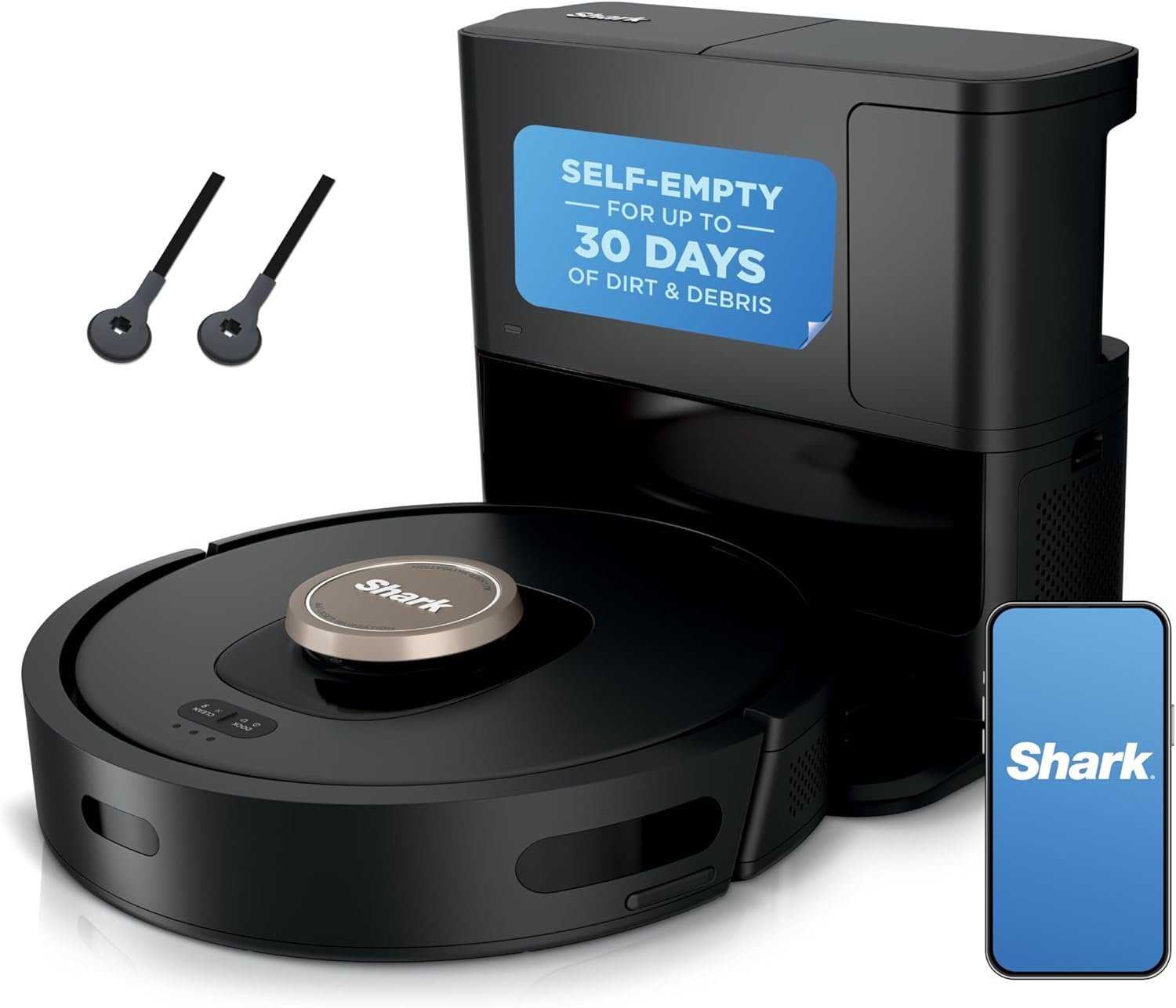
Robot vacuum class report
27 robots, suction claims from 4,000 to 20,000 Pa
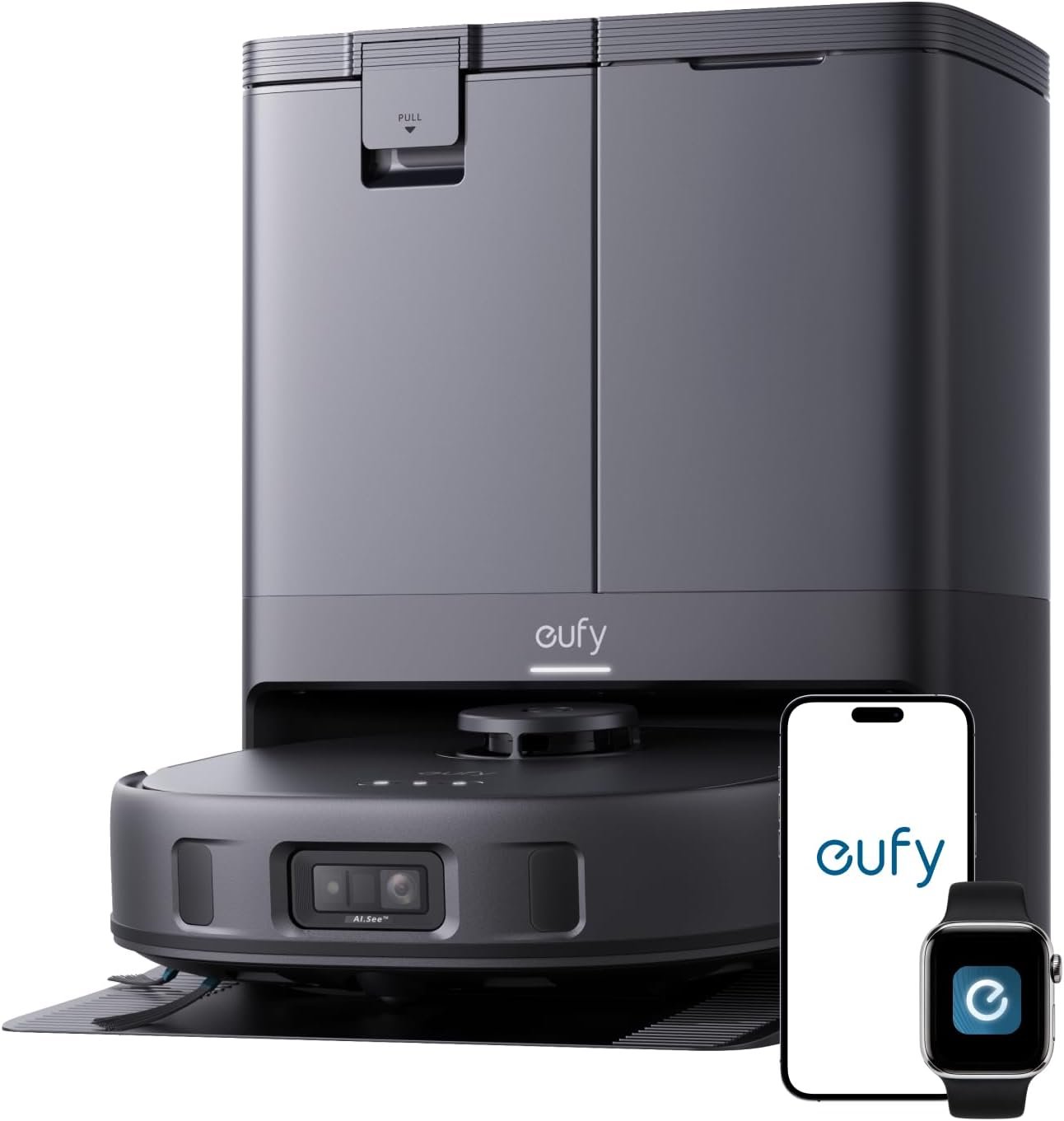
eufy X10 Pro Omni vs roborock Q7 M5+
One robot, two listed weights
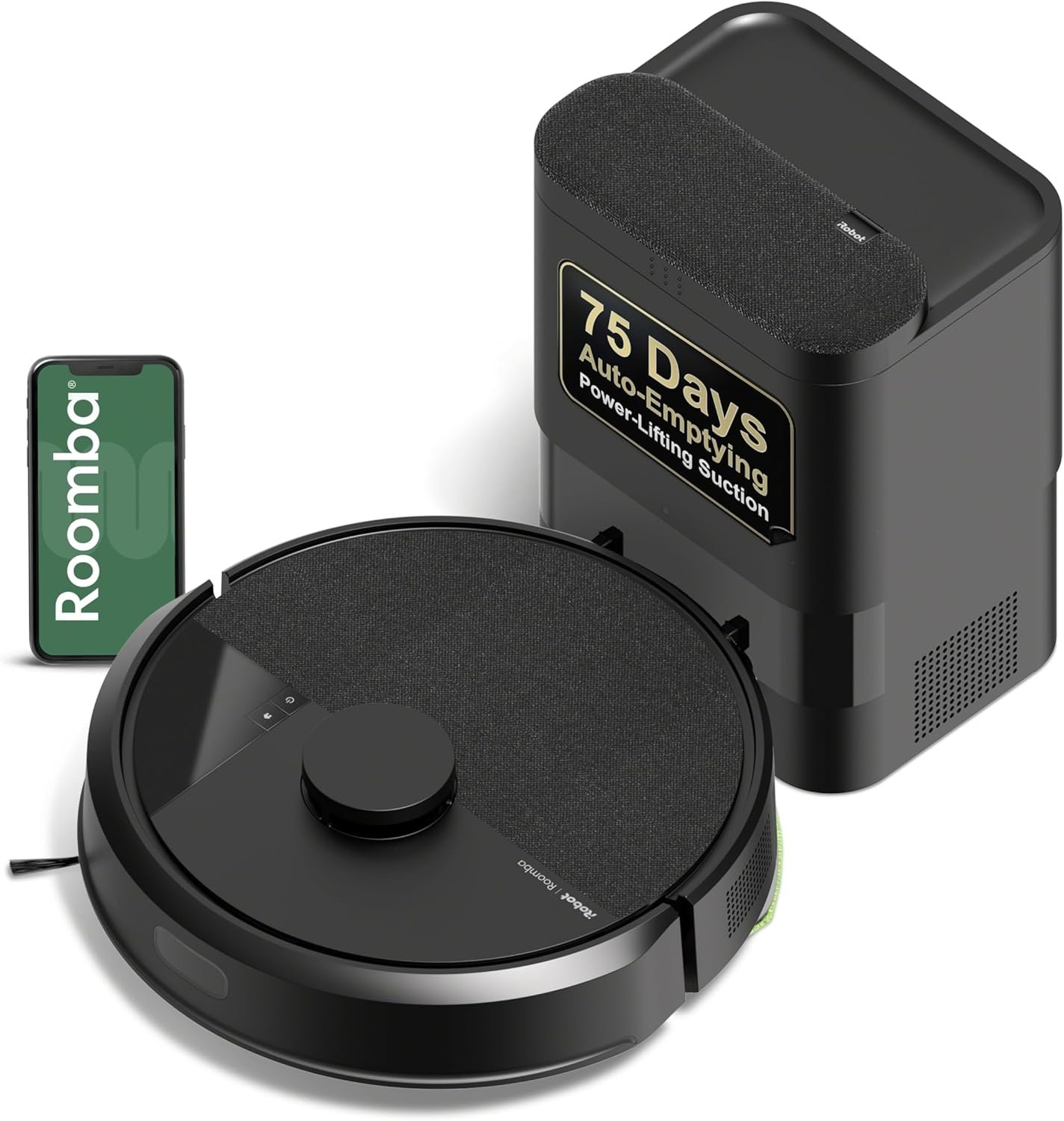
Shark AV2501AE vs Roomba 105 Vac
Two self-emptying robots, two weights
Stick vacuum comparisons
Sticks are where the headline numbers are least comparable: runtime measured under favourable conditions and suction stated in four different units. The class report sets out the conditions and the units; the two comparisons show them in practice.


Stick vacuum class report
23 sticks, runtime and four suction units

650W 70-minute vs CHEBIO
Four runtime figures for two machines
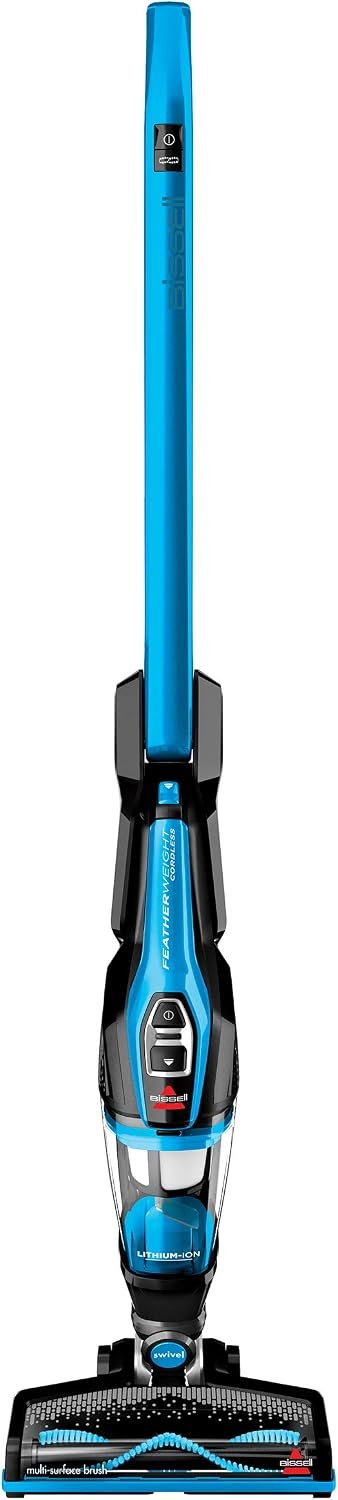
Shark Pet Cordless vs Bissell 3061
Double the runtime, double the voltage
What is not here yet
Upright, handheld and canister vacuums are reviewed on this site too, and they appear in the table above, but they have no comparison pages yet. There are fewer of them with enough stated figures to compare, and their category pages are still being published. We would rather leave them out than write pages on a class where most of the figures are missing.
How the figures are checked
Each review on this site carries a specification table, and each product’s Amazon page carries its own. They are independent transcriptions of one listing, which makes it possible to check one against the other. Where both state a figure and agree, the comparison pages say so. Where they disagree, or only one states it, the pages say that too, because a listing that contradicts itself is part of what you need to know before you buy. Across the vacuum catalogue our two sources agreed on 70 of the 82 weights both state, on 20 of 23 runtimes and on 9 of 10 noise figures, and the disagreements have been among the most useful findings on these pages.
The checks also turned up two mistakes in our own reviews, which these pages do not repeat: the review table for the Shark WANDVAC lists its 150-minute charging time under “battery life” when the machine runs for about ten minutes, and the review of the eufy X10 Pro Omni quotes a weight that Amazon’s listing contradicts by more than eight kilograms.
Where to go next
- To narrow by your own answers, use the vacuum finder;
- To read one machine in full, browse the robot vacuum reviews or the stick and cordless vacuum reviews;
- To see how a review is written, read how our reviews work.
Figures are the manufacturers’, as published on each listing and quoted in our reviews; none was measured by us. How we work · Affiliate disclosure