The Importance of Choosing the Right Vacuum Cleaner
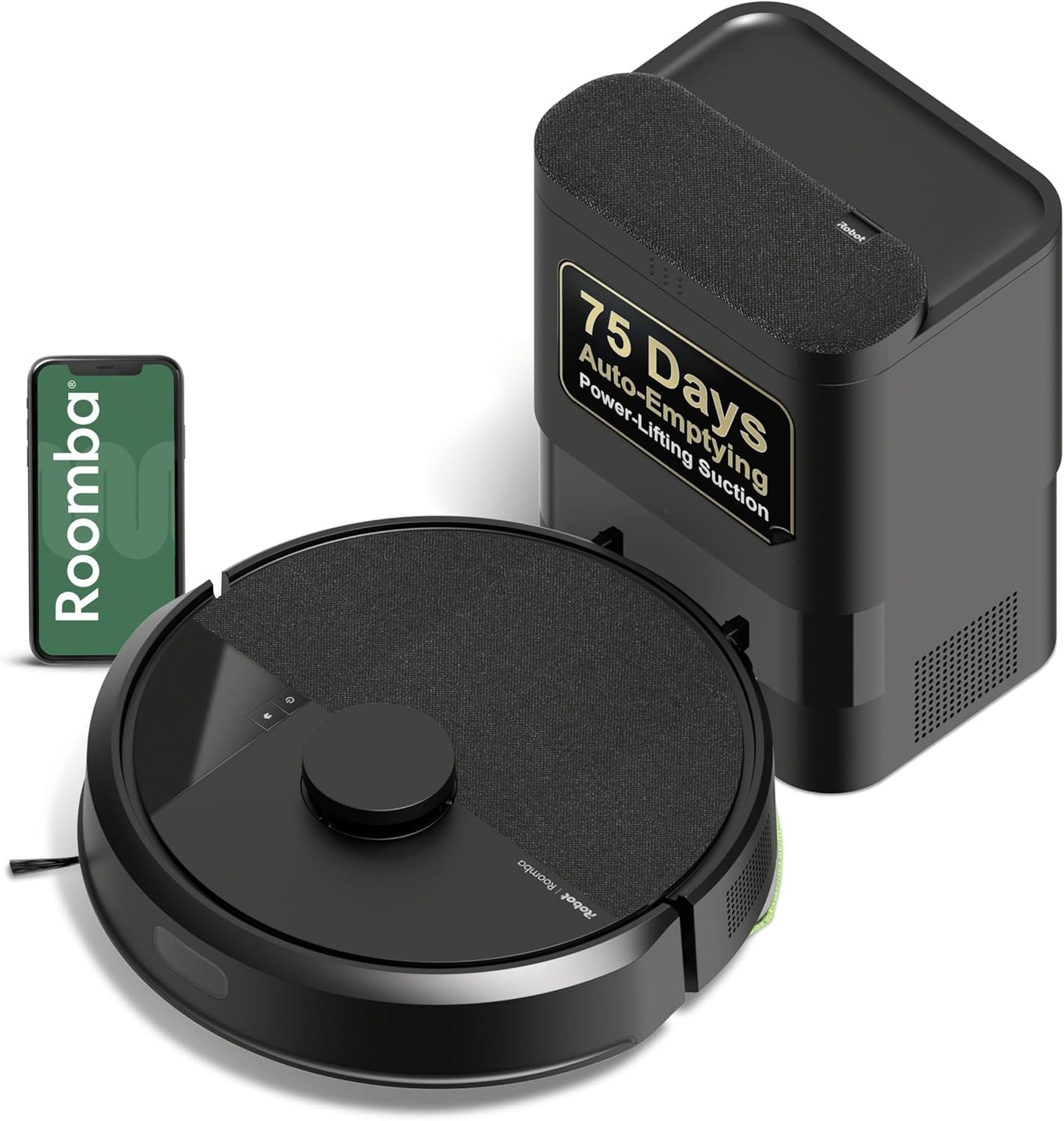
Selecting the optimal vacuum cleaner is a critical decision for maintaining a clean and healthy home environment. With diverse flooring types—such as hardwood, tile, and carpet—each requiring specific cleaning approaches, homeowners must prioritize vacuums that adapt to these surfaces. Dust, pet hair, and allergens can accumulate in hard-to-reach areas, making efficient suction and thorough coverage essential. The Roomba 105 Vac Robot Vacuum with AutoEmpty Dock represents a modern solution for households seeking automated, hands-free cleaning. Its design addresses common challenges like dust accumulation, debris containment, and the need for regular maintenance. This review evaluates the Roomba 105 Vac’s performance across key factors, including floor compatibility, suction efficiency, filtration systems, and user-friendly features. By analyzing specifications, customer feedback, and industry standards, this guide helps potential buyers understand how this robotic vacuum aligns with their cleaning needs and home environment.
Quick Overview
| Feature | Details |
|---|---|
| Vacuum Type | Robotic vacuum with AutoEmpty dock |
| Power Source | Battery-powered |
| Filtration System | 3-stage cleaning with 99% allergen containment |
| Brush Design | Multi-surface brush, edge-sweeping brush |
| Weight | 6.24 pounds |
| Floor Compatibility | Carpet and hard floors |
| Intended Use | Daily cleaning, spot cleaning, room-specific tasks |
| Warranty | 1-year manufacturer warranty |
The Roomba 105 Vac combines automated cleaning with self-emptying capabilities, making it suitable for households with moderate to heavy cleaning demands. Its 3-stage cleaning system and LiDAR navigation enhance efficiency, while the AutoEmpty dock minimizes manual intervention. These features collectively support a streamlined cleaning routine for users prioritizing convenience and performance.

Floor Type Compatibility: Carpet and Hard Floors
The Roomba 105 Vac is specifically designed for mixed flooring environments, including both carpet and hard surfaces. Its multi-surface brush effectively tackles pet hair, dust, and debris on carpets, while the edge-sweeping brush ensures thorough cleaning along baseboards and corners. For hard floors, the vacuum’s suction power lifts embedded dirt and fine particles without damaging surfaces. The LiDAR navigation system allows the robot to map floor layouts, optimizing cleaning paths for maximum coverage. This adaptability makes the Roomba 105 Vac ideal for homes with a combination of flooring types, reducing the need for multiple cleaning tools. However, its performance on deep-pile carpets may be limited compared to dedicated vacuum models.

Carpet Cleaning Efficiency
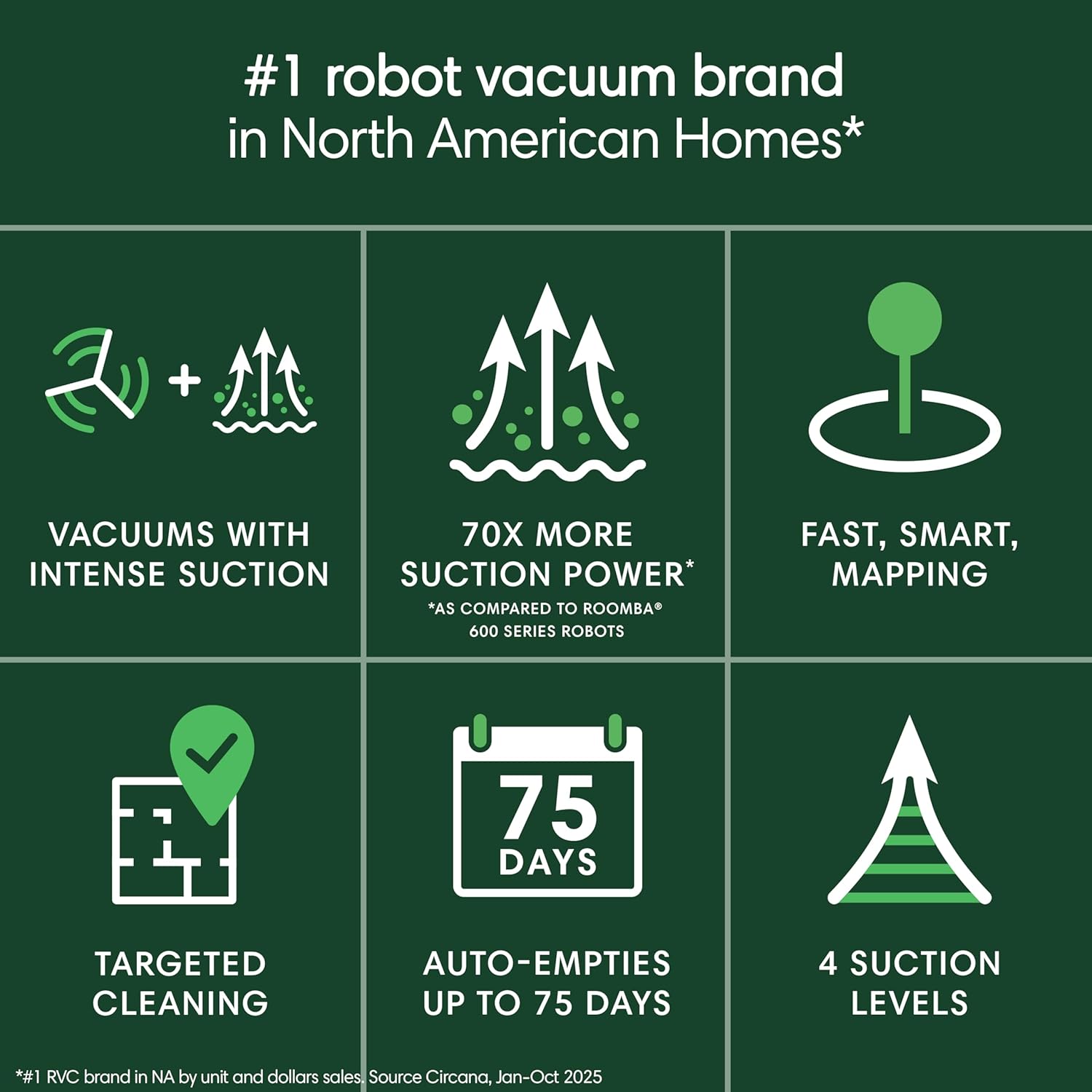
The Roomba 105 Vac’s 3-stage cleaning system includes a multi-surface brush that agitates carpets to loosen embedded dirt. This design is effective for light to moderate carpet cleaning, particularly on medium-pile surfaces. The edge-sweeping brush captures debris along walls and under furniture, ensuring no area is left untouched. While the vacuum excels at removing surface-level dirt, deep-pile carpets may require additional manual cleaning for thorough results. The 70X power-lifting suction, as compared to the Roomba 600 series, enhances its ability to lift fine particles and hair, making it suitable for households with pets or high traffic areas.
Hard Floor Performance
On hard floors such as wood, tile, and laminate, the Roomba 105 Vac’s suction power effectively lifts dust, crumbs, and allergens without leaving streaks or residue. The vacuum’s design avoids damaging these surfaces, as it does not use abrasive tools. The LiDAR navigation system ensures precise movement across flat surfaces, minimizing the risk of missing spots. However, for heavy-duty cleaning on hard floors, such as removing grime or sticky residues, users may need to supplement with a dedicated floor cleaner. The AutoEmpty dock’s capacity for up to 75 days of debris makes it ideal for homes with frequent foot traffic.
Suction Strength and Cleaning Efficiency
The Roomba 105 Vac’s 70X power-lifting suction significantly enhances its ability to remove debris from various surfaces. This suction power is achieved through a combination of the multi-surface brush and the vacuum’s internal airflow system, which ensures consistent suction throughout the cleaning cycle. The 3-stage cleaning system is designed to maximize efficiency by first agitating the surface, then lifting debris, and finally capturing it in the dustbin. This multi-step process is particularly effective for removing fine particles and pet hair, making the Roomba 105 Vac suitable for households with high allergen concerns. However, the suction performance may be less effective on very thick or deep-pile carpets compared to dedicated vacuum models.
Airflow and Dust Containment
The Roomba 105 Vac’s airflow system is engineered to maintain suction power while minimizing dust dispersion. The 3-stage cleaning system includes a filtration system that traps 99% of allergens as small as 0.7 microns, ensuring that dust and allergens do not recirculate into the air. This is particularly beneficial for households with occupants who have allergies or respiratory conditions. The AutoEmpty dock further enhances dust containment by isolating the debris collection process, reducing the risk of airborne particles during emptying. The vacuum’s design ensures that the cleaning process is as hygienic as possible, aligning with industry standards for allergen containment in vacuum cleaners.
Cleaning Path Optimization
The Roomba 105 Vac’s LiDAR navigation system allows it to create a detailed map of the home, optimizing cleaning paths for maximum coverage. This system enables the vacuum to navigate around obstacles such as furniture legs and electrical cords, ensuring that all areas are cleaned efficiently. The vacuum’s ability to adjust cleaning paths based on the home’s layout is a significant advantage for users who want a thorough yet targeted cleaning experience. However, the effectiveness of this navigation system may be limited in homes with frequent furniture rearrangements or complex layouts, where the vacuum may need to recalibrate its mapping regularly.
Filtration Quality and Allergen Containment
The Roomba 105 Vac’s filtration system is designed to trap 99% of allergens as small as 0.7 microns, making it suitable for households with allergy sufferers. The 3-stage cleaning system includes a multi-surface brush, an edge-sweeping brush, and a high-efficiency filter that captures fine particles. This combination ensures that the vacuum effectively removes dust, pet dander, and other allergens from the air and surfaces. The AutoEmpty dock’s dustbin is designed to contain debris without releasing it back into the environment, further reducing the risk of allergen exposure. However, the effectiveness of the filtration system may depend on the frequency of filter replacements, as a clogged filter can reduce suction power and compromise allergen containment.

Filter Maintenance and Replacement
The Roomba 10, 105 Vac’s filtration system requires periodic maintenance to ensure optimal performance. The vacuum includes a replaceable cartridge filter that should be checked and replaced according to the manufacturer’s recommendations. A clogged filter can reduce suction power and increase energy consumption, negatively impacting cleaning efficiency. The AutoEmpty dock’s design minimizes the need for manual intervention, as the dustbin is designed to be easily replaced without exposing users to allergens. However, users should be aware that the filter’s effectiveness diminishes over time, and regular maintenance is necessary to maintain the vacuum’s performance and allergen containment capabilities.
Allergen Containment in Different Environments
The Roomba 105 Vac’s allergen containment features are particularly beneficial in homes with pets, as it effectively removes pet hair and dander from both carpets and hard floors. The vacuum’s design ensures that debris is contained within the AutoEmpty dock, reducing the risk of airborne particles during cleaning. This is especially important for individuals with respiratory conditions, as it minimizes the inhalation of fine particles. However, the effectiveness of the filtration system may vary depending on the type and volume of debris, with heavier allergen loads potentially requiring more frequent maintenance. The vacuum’s design aligns with industry standards for allergen containment, making it a suitable choice for households prioritizing indoor air quality.
Maneuverability and Ease of Use
The Roomba 105 Vac’s design prioritizes ease of use and maneuverability, making it suitable for a wide range of households. The vacuum’s compact size and lightweight build allow it to navigate around obstacles such as furniture legs and electrical cords without requiring manual intervention. The LiDAR navigation system enables the robot to map the home and adjust its cleaning path for optimal coverage, reducing the risk of missed spots. The vacuum’s ability to operate autonomously is a significant advantage for users who want a hands-free cleaning experience. However, the vacuum’s performance in tight spaces or areas with frequent furniture movement may be limited, as the navigation system may need to recalibrate its mapping.

User Interface and Control Options
The Roomba 105 Vac offers multiple ways to control its operation, including a dedicated app, voice commands, and physical buttons on the robot. The iRobot Home app allows users to schedule cleaning sessions, adjust suction levels, and create custom cleaning zones. Voice control integration with Alexa, Siri, and Google Assistant enables hands-free operation, making it convenient for users with mobility constraints. The physical buttons on the vacuum provide a simple way to start or stop cleaning without needing to access a smartphone. However, the effectiveness of voice commands may depend on the user’s familiarity with smart home devices, and the app’s interface may require some time to navigate for first-time users.
Integration with Smart Home Ecosystems
The Roomba 105 Vac’s compatibility with popular smart home platforms enhances its usability for tech-savvy users. Integration with Alexa, Siri, and Google Assistant allows for seamless control of the vacuum within a broader smart home network. This feature is particularly beneficial for households that use other smart devices, as it enables centralized control of cleaning schedules and settings. However, the effectiveness of smart home integration may depend on the user’s existing ecosystem and the compatibility of their devices with the vacuum’s control protocols. The vacuum’s design supports this integration, making it a versatile option for modern households.
Noise Expectations and Environmental Impact
The Roomba 105 Vac is designed to operate with minimal noise, making it suitable for use in both residential and commercial environments. The vacuum’s noise level is comparable to other robotic vacuums in its class, with the primary sound coming from the suction motor and the movement of the brushes. The LiDAR navigation system contributes to a quieter operation by optimizing the cleaning path and reducing unnecessary movements. This noise reduction is particularly beneficial for households with young children or pets, as it minimizes disturbances during cleaning. However, the vacuum’s noise level may be more noticeable in larger spaces or when cleaning thick carpets, where the suction motor works harder to lift debris.

Environmental Considerations
The Roomba 105 Vac’s environmental impact is influenced by its battery usage and the materials used in its construction. The vacuum is powered by a rechargeable battery, which reduces reliance on disposable batteries and minimizes electronic waste. The design of the AutoEmpty dock ensures that the vacuum’s waste is contained, reducing the risk of environmental contamination. However, the vacuum’s energy consumption may be higher compared to corded vacuums, as it relies on battery power for operation. The vacuum’s overall environmental impact is balanced by its convenience and efficiency in reducing manual cleaning efforts.
Noise Management in Different Settings
The Roomba 105 Vac’s noise level is generally well-managed, but users should consider the environment in which it operates. In quiet residential areas, the vacuum’s noise may be more noticeable, especially during late hours. The vacuum’s design includes sound-dampening materials to reduce noise, but users may still need to position the robot away from bedrooms or living areas to minimize disturbances. In commercial settings, the vacuum’s noise level should be acceptable for most environments, provided it is used in designated cleaning areas. The vacuum’s noise management features align with industry standards for residential and commercial use, making it a versatile option for different settings.

Pros & Cons
Pros
- Self-Emptying Dock: The AutoEmpty dock holds up to 75 days of debris, reducing manual maintenance. This feature is ideal for users who prefer a hands-free cleaning routine.
- 3-Stage Cleaning System: The combination of a multi-surface brush, edge-sweeping brush, and high-efficiency filter ensures thorough cleaning of both carpets and hard floors.
- LiDAR Navigation: The vacuum’s ability to map and navigate the home optimizes cleaning paths, ensuring comprehensive coverage without missing spots.
- Voice and App Control: Integration with Alexa, Siri, and Google Assistant allows for hands-free operation, while the iRobot Home app provides convenient scheduling and customization options.
- Allergen Containment: The filtration system traps 99% of allergens as small as 0.7 microns, making it suitable for households with allergy sufferers.
- Lightweight and Maneuverable: The vacuum’s compact size and weight make it easy to navigate around obstacles, enhancing its usability in tight spaces.
Cons
- Limited Deep-Pile Carpet Performance: The vacuum may struggle with thick or deep-pile carpets, requiring additional manual cleaning for thorough results.
- Battery Life Constraints: While the vacuum offers 200 minutes of battery life, this may be insufficient for large spaces or extended cleaning sessions.
- Filtration Maintenance Needs: The replaceable cartridge filter requires regular maintenance to ensure optimal suction power and allergen containment.
- Noise in Large Spaces: The vacuum’s noise level may be more noticeable in larger areas or when cleaning thick carpets, potentially disturbing occupants.
- Smart Home Integration Limitations: While the vacuum is compatible with major voice assistants, some users may experience compatibility issues with specific smart home ecosystems.
Final Verdict: Who This Vacuum Is Best For (and Who Should Skip It)
The iRobot Roomba 105 Vac Robot Vacuum with AutoEmpty Dock is best suited for households with moderate to heavy cleaning needs, particularly those with a mix of carpet and hard floors. Its self-emptying dock, 3-stage cleaning system, and LiDAR navigation make it an excellent choice for users who prioritize convenience and efficiency. The vacuum’s allergen containment features are particularly beneficial for households with allergy sufferers or pets. However, it may not be ideal for users who require deep-pile carpet cleaning, have very large homes, or prefer a more aggressive cleaning approach. Those with specific needs, such as heavy-duty commercial cleaning or specialized floor types, may find the Roomba 105 Vac less suitable. Overall, the Roomba 105 Vac offers a balanced combination of performance and convenience, making it a strong contender in the 2026 vacuum cleaner market.

Frequently Asked Questions (FAQs)
Does the Roomba 105 Vac work well on deep-pile carpets?
The Roomba 105 Vac is designed for medium to light pile carpets. While it effectively removes surface-level dirt and pet hair, deep-pile carpets may require additional manual cleaning for thorough results. Its suction power and brush design are optimized for everyday cleaning rather than heavy-duty carpet maintenance.
How often should the Roomba 105 Vac’s filter be replaced?
The Roomba 105 Vac’s replaceable cartridge filter should be checked every 6 months or as needed, depending on usage. A clogged filter can reduce suction power and compromise allergen containment, so regular maintenance ensures optimal performance.
Can the Roomba 105 Vac clean large open spaces?
The Roomba 105 Vac’s 200-minute battery life and LiDAR navigation make it suitable for moderate-sized spaces. However, for very large areas or extended cleaning sessions, users may need to recharge the vacuum or consider a model with longer battery capacity.
Is the Roomba 105 Vac suitable for allergy sufferers?
Yes, the Roomba 105 Vac is ideal for allergy sufferers. Its 3-stage cleaning system and high-efficiency filter trap 99% of allergens as small as 0.7 microns, reducing airborne particles during cleaning. The AutoEmpty dock further minimizes allergen exposure during maintenance.
What is the noise level of the Roomba 105 Vac?
The Roomba 105 Vac operates at a noise level comparable to other robotic vacuums, with the primary sound coming from the suction motor and brushes. While it is relatively quiet, users may notice increased noise in large spaces or when cleaning thick carpets.
How does the AutoEmpty dock function?
The AutoEmpty dock of the Roomba 105 Vac holds up to 75 days of debris in a sealed bag that traps 99% of allergens. The dock automatically empties the dustbin, eliminating the need for manual removal. Users simply replace the bag and restart the cleaning process.
Can the Roomba 105 Vac be controlled via voice commands?
Yes, the Roomba 105 Vac supports voice control through Alexa, Siri, and Google Assistant. This allows users to start or stop cleaning sessions and adjust settings without using a smartphone, enhancing convenience for hands-free operation.
What are the limitations of the Roomba 105 Vac’s navigation system?
The Roomba 105 Vac’s LiDAR navigation is effective for mapping and cleaning most home layouts. However, it may require recalibration in environments with frequent furniture rearrangements or complex layouts, which could affect the vacuum’s ability to cover all areas efficiently.