The Need for Precision in Modern Floor Care
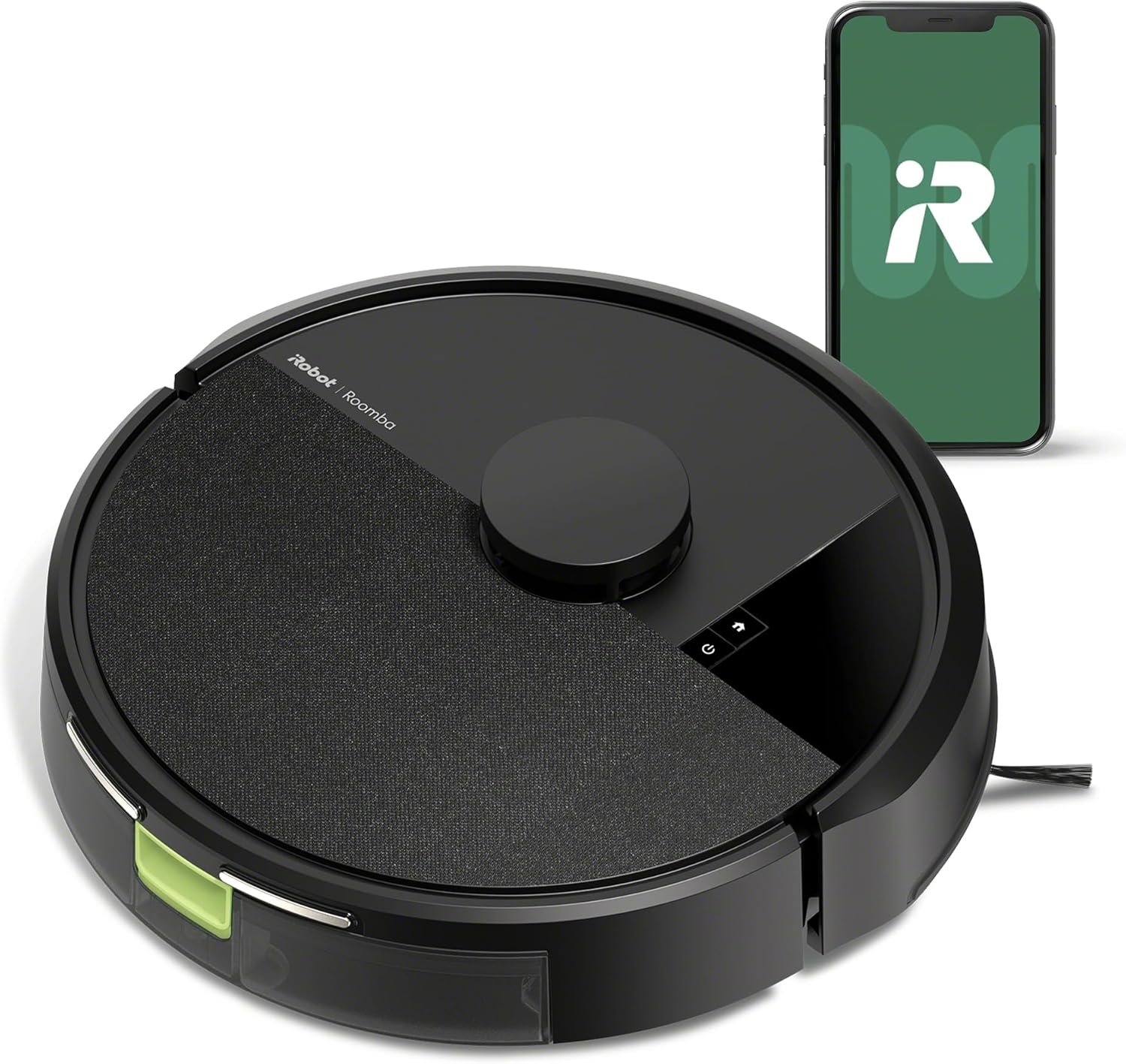
In 2026, maintaining a spotless home has become an intricate balance of convenience, efficiency, and adaptability. Floor care is no longer limited to traditional vacuuming methods; modern households demand solutions that align with busy lifestyles, diverse floor types, and evolving cleanliness expectations. Whether you’re navigating the challenges of pet hair on hardwood, crumbs in tile, or deep cleaning carpets, the right vacuum cleaner must meet these demands without compromising usability. The iRobot Roomba 105 Vac robot vacuum represents a significant advancement in automated cleaning, offering a blend of powerful suction, intelligent navigation, and user-friendly controls. Its ability to adapt to different surfaces, detect dirt, and optimize cleaning paths makes it a compelling choice for homeowners seeking a reliable, low-maintenance solution. This review evaluates the Roomba 105 Vac’s performance across critical factors such as floor compatibility, suction strength, filtration efficiency, and ease of use, providing a data-driven assessment for buyers in the U.S. market. By analyzing its technical specifications, design features, and aggregated customer feedback, this review aims to clarify whether the Roomba 105 Vac is a viable option for households with mixed flooring, high-traffic areas, or specific cleaning needs.
Quick Overview
| Feature | Details |
|---|---|
| Vacuum Type | Robotic vacuum cleaner |
| Power Source | Battery-powered (lithium-ion) |
| Filtration System | 3-stage cleaning with cartridge filter |
| Brush Design | Multi-surface brush and edge-sweeping brush |
| Weight and Form Factor | 6.15 pounds, compact, sleek design |
| Floor Compatibility | Carpet and hard floors |
| Intended Use | Home cleaning, especially for carpets and hard floors |
| Warranty | 1-year manufacturer warranty |
The iRobot Roomba 105 Vac is designed for households with a mix of carpet and hard flooring, offering a balance between suction power and maneuverability. Its 3-stage cleaning system and LiDAR navigation ensure thorough coverage, while the compact design allows it to navigate tight spaces. The inclusion of a docking station and app control enhances its usability, making it a practical choice for modern cleaning routines.

Power-Lifting Suction and Cleaning Efficiency
The Roomba 105 Vac’s 70x power-lifting suction is a standout feature, significantly enhancing its ability to remove embedded dirt and debris from various surfaces. This suction strength is particularly effective on carpets, where it can lift deep-seated particles and pet hair, while also performing well on hard floors to capture fine dust and crumbs. The 3-stage cleaning system includes a multi-surface brush that agitates dirt, an edge-sweeping brush that tackles corners and edges, and a bristle brush that ensures thorough cleaning. These components work in tandem to address different types of messes, from high-traffic areas to isolated spills. The suction power is calibrated to avoid over-agitation, which helps preserve the integrity of carpets and reduce dust dispersion. For households with pets, the suction strength is sufficient to manage hair and dander, though it may not match the performance of higher-end models designed for extreme pet hair accumulation.

Suction Performance on Different Floor Types
The Roomba 105 Vac’s suction is optimized for both carpet and hard floor surfaces, making it versatile for mixed flooring environments. On carpets, the 70x power-lifting suction effectively lifts dirt, dust, and pet hair without causing excessive wear. The multi-surface brush is designed to agitate fibers, ensuring that embedded particles are dislodged and suctioned away. For hard floors, the suction remains strong enough to capture fine dust and debris, though it may not be as powerful as dedicated hard-floor vacuums. The edge-sweeping brush is particularly useful for reaching corners and along walls, ensuring that no area is left untouched. However, the suction may not be sufficient for heavily trafficked areas with thick carpeting, where more powerful models might be necessary.
Cleaning Efficiency and Debris Removal
The 3-stage cleaning system ensures that the Roomba 105 Vac is efficient in removing a wide range of debris. The multi-surface brush is effective at agitating loose dirt and hair, while the edge-sweeping brush ensures that corners and edges are thoroughly cleaned. The bristle brush, which is designed for tough messes, can handle larger particles such as crumbs and small debris. Together, these components create a comprehensive cleaning process that minimizes the need for manual intervention. The suction power is sufficient for everyday cleaning tasks, though it may not be adequate for deep cleaning or heavy-duty messes. For households with frequent spills or high-traffic areas, the Roomba 105 Vac is a reliable option, though it may require more frequent cleaning cycles to maintain optimal performance.
Filtration Quality and Allergen Containment
The filtration system of the Roomba 105 Vac plays a crucial role in maintaining indoor air quality by capturing allergens and fine particles. The 3-stage cleaning system includes a cartridge filter that traps dust, pollen, and pet dander, preventing them from being redeposited on floors. This filtration system is particularly beneficial for households with allergy sufferers, as it reduces the presence of airborne particles. However, the effectiveness of the filter depends on regular maintenance, as a clogged filter can reduce suction power and compromise the vacuum’s performance. The filter should be replaced according to the manufacturer’s recommendations to ensure optimal filtration efficiency. While the Roomba 105 Vac’s filtration system is adequate for general use, it may not be as robust as higher-end models designed for maximum allergen containment. For households with severe allergies or those requiring additional air purification, a separate HEPA filter or air purifier may be necessary.

Allergen Capture and Air Quality
The Roomba 105 Vac’s filtration system is designed to capture a significant portion of airborne allergens, making it a suitable choice for households with pets or allergy-prone individuals. The cartridge filter effectively traps dust, pollen, and pet hair, reducing the risk of airborne particles circulating in the home. However, the filtration system does not include a HEPA filter, which means that it may not capture the smallest particles such as fine dust or mold spores. For households with severe allergies or those requiring maximum air purification, the Roomba 105 Vac may fall short. The absence of a HEPA filter also means that the vacuum may not be as effective in environments with high levels of airborne allergens. Regular filter maintenance is essential to ensure that the filtration system remains efficient and does not compromise the vacuum’s performance.
Maneuverability and Ease of Use
The Roomba 105 Vac’s design emphasizes ease of use and maneuverability, making it accessible for a wide range of households. Its compact size and sleek profile allow it to navigate tight spaces, while the LiDAR navigation system ensures that it can map out cleaning paths efficiently. The vacuum’s ability to return to its docking station for recharging is a significant convenience, eliminating the need for manual intervention. The inclusion of app control and voice assistant integration further enhances its usability, allowing users to customize cleaning schedules and target specific areas. However, the vacuum’s maneuverability may be limited in environments with frequent obstacles or uneven flooring, where more advanced models may offer better adaptability. For households with open floor plans or minimal furniture, the Roomba 105 Vac is an excellent choice, though those with complex layouts may need a more versatile model.

App Control and Voice Assistant Integration
The Roomba 105 Vac’s integration with the Roomba Home App and compatibility with voice assistants like Alexa, Siri, and Google Assistant provide users with a high degree of control over their cleaning routine. The app allows for scheduling cleaning tasks, adjusting suction levels, and creating keep-out zones to avoid specific areas. Voice control adds another layer of convenience, enabling users to initiate cleaning tasks with simple commands. However, the effectiveness of these features depends on the reliability of the connected devices and the user’s familiarity with the app interface. For households that prioritize smart home integration, the Roomba 105 Vac’s app and voice control features are a significant advantage, though they may require some initial setup and configuration.
Docking Station and Self-Charging Capabilities
The Roomba 105 Vac’s self-charging dock is a notable convenience, as it allows the vacuum to return to its charging station autonomously when the battery is low. This feature ensures that the vacuum is always ready for the next cleaning cycle, reducing the need for manual recharging. The docking station also serves as a storage area for the vacuum, keeping it organized and out of the way. However, the self-charging capability may not be as efficient in environments with limited access to the docking station, such as large open spaces or multi-level homes. For users who prefer a more hands-on approach, the Roomba 105 Vac’s self-charging feature is a welcome addition, though it may not fully replace the need for manual supervision in certain scenarios.
Noise Expectations and Environmental Impact
The Roomba 105 Vac is designed to operate with a reasonable level of noise, making it suitable for households that prioritize quiet operation. While it is not entirely silent, the vacuum’s noise level is comparable to many other robotic vacuums on the market, and it is generally less disruptive than traditional upright or canister models. The noise is primarily generated by the suction motor and the movement of the brushes, which are necessary for effective cleaning. For households with young children or pets, the Roomba 105 Vac’s noise level may be a consideration, as it could be more noticeable than a quieter model. However, the vacuum’s noise profile is optimized for use during times when the home is less active, such as late at night or early in the morning. The environmental impact of the Roomba 105 Vac is also noteworthy, as its battery-powered design reduces reliance on corded appliances and contributes to energy efficiency. However, the environmental benefits are offset by the production and disposal of the lithium-ion battery, which requires responsible recycling practices.

Noise Level and User Experience
The Roomba 105 Vac’s noise level is a factor that users should consider, especially in households where quiet operation is a priority. While it is not the quietest robotic vacuum on the market, its noise level is generally acceptable for most environments. The vacuum’s suction motor and brush movement generate a moderate amount of noise, which may be more noticeable in open floor plans or when the vacuum is in use during the day. For users who prefer a quieter cleaning experience, the Roomba 105 Vac may not be the best choice, though it is less disruptive than traditional vacuums. The noise is primarily a byproduct of its cleaning mechanisms, and while it may be a drawback for some, it is a trade-off for the vacuum’s effectiveness and convenience.
Maintenance and Durability
The Roomba 105 Vac’s design emphasizes ease of maintenance, with features such as a removable filter and a self-cleaning dock that reduce the need for frequent manual intervention. The cartridge filter is designed to be replaced periodically, ensuring that the vacuum maintains its suction efficiency and filtration performance. The docking station’s self-charging capability also minimizes the need for manual recharging, though the battery’s longevity may require periodic replacement. The vacuum’s durability is supported by its construction, which is built to withstand regular use in various environments. However, the compact design and lightweight build may make it more susceptible to damage in environments with heavy foot traffic or frequent obstacles. For households that prioritize long-term reliability, the Roomba 105 Vac is a solid choice, though it may require more frequent maintenance compared to more robust models.

Filter Replacement and Maintenance
Maintaining the Roomba 105 Vac’s filtration system is essential for ensuring optimal performance and air quality. The cartridge filter should be replaced according to the manufacturer’s recommendations, typically every few months or when the vacuum’s suction power begins to decline. A clogged filter can reduce suction efficiency and compromise the vacuum’s ability to capture allergens. The filter replacement process is straightforward, with the filter being easily accessible for removal and disposal. However, the vacuum’s design does not include a HEPA filter, which means that users may need to consider additional filtration options if they require maximum allergen containment. Regular maintenance of the filter and other components is necessary to ensure that the Roomba 105 Vac continues to perform effectively over time.
Battery Life and Longevity
The Roomba 105 Vac’s battery life is a key factor in its overall usability, with a runtime of 200 minutes on a single charge. This battery life is sufficient for covering large cleaning areas, though it may not be as long as some higher-end models. The lithium-ion battery is designed to be durable and efficient, though it may require replacement after several years of use. The vacuum’s self-charging capability ensures that it can resume cleaning tasks without manual intervention, making it a convenient option for users. However, the battery’s longevity may be affected by frequent use and environmental factors, requiring periodic replacement to maintain optimal performance. For households that prioritize long-term reliability, the Roomba 105 Vac’s battery life is a reasonable compromise between convenience and durability.

Pros & Cons
Pros
- 70x Power-Lifting Suction: The Roomba 105 Vac’s suction strength is significantly higher than many standard robotic vacuums, making it effective for removing dirt, pet hair, and debris from both carpets and hard floors.
- LiDAR Navigation: The ClearView LiDAR system allows the vacuum to map out cleaning paths efficiently, optimizing coverage and avoiding obstacles, which enhances overall cleaning performance.
- App Control and Voice Assistant Integration: The Roomba Home App and compatibility with Alexa, Siri, and Google Assistant provide users with flexible control over cleaning schedules and targeted cleaning tasks.
- Self-Charging Dock: The built-in docking station enables the vacuum to return for recharging autonomously, ensuring it is always ready for the next cleaning cycle without manual supervision.
- 3-Stage Cleaning System: The multi-surface brush, edge-sweeping brush, and bristle brush work together to tackle a wide range of messes, providing a comprehensive cleaning solution.
- Compact and Sleek Design: The vacuum’s compact size and modern aesthetic make it easy to maneuver in tight spaces and blend seamlessly into home environments.
- Eco Mode and Energy Efficiency: The inclusion of an eco mode helps conserve battery life and reduce energy consumption, making it a more sustainable option for frequent use.
- Anti-Fall Sensors: The vacuum’s anti-fall sensors prevent it from falling down stairs or uneven surfaces, enhancing safety in multi-level homes.
Cons
- Limited Battery Life: While the 200-minute runtime is sufficient for most cleaning tasks, it may not be enough for very large or heavily trafficked areas, requiring frequent recharging.
- Noise Level: The Roomba 105 Vac is not entirely silent, and its noise level may be more noticeable in open spaces or during the day, which could be a drawback for some users.
- No HEPA Filter: The absence of a HEPA filter means that the vacuum may not be as effective in capturing the smallest particles such as fine dust or allergens, potentially affecting air quality in highly sensitive environments.
- Limited Cleaning Path Width: The 5.8-inch cleaning path width is suitable for most surfaces but may not be adequate for large or irregularly shaped areas, requiring multiple passes for thorough coverage.
- Maintenance Requirements: The filter and other components require periodic replacement or cleaning, which may add to the long-term maintenance costs and effort.
- Not Ideal for Extreme Pet Hair: While the Roomba 105 Vac is effective for general pet hair removal, it may not be sufficient for households with heavy pet hair accumulation or frequent shedding.
- Compatibility Limitations: The vacuum’s reliance on smart home integration may limit its usability for users who prefer a more traditional, hands-on approach to cleaning.
Final Verdict: Who This Vacuum Is Best For (and Who Should Skip It)
The iRobot Roomba 105 Vac is an excellent choice for households with a mix of carpet and hard flooring, particularly those looking for a reliable, low-maintenance cleaning solution. Its 70x power-lifting suction, LiDAR navigation, and 3-stage cleaning system make it effective for everyday cleaning tasks, including pet hair removal and general debris cleanup. The app control and voice assistant integration add convenience, allowing users to customize cleaning schedules and target specific areas. The self-charging dock ensures that the vacuum is always ready for the next cleaning cycle, reducing the need for manual intervention. However, the Roomba 105 Vac may not be the best option for households with very large homes, heavy pet hair accumulation, or specific cleaning needs that require more advanced features. Those seeking a more powerful suction, a HEPA filter for maximum allergen containment, or a vacuum with a larger cleaning path may find the Roomba 105 Vac lacking in certain areas. Overall, the Roomba 105 Vac is a practical and efficient vacuum for families, small to medium-sized homes, and individuals who prioritize convenience and ease of use over extreme cleaning power.
The Roomba 105 Vac is not ideal for users who require a more robust vacuum for heavy-duty cleaning, such as those with thick carpets or frequent spills. It may also be less suitable for individuals with severe allergies, as the absence of a HEPA filter means it may not capture all airborne particles. Additionally, those who prefer a more traditional, hands-on approach to cleaning may find the vacuum’s reliance on smart home integration and app control to be a drawback. For the right user, the Roomba 105 Vac offers a balance of performance, convenience, and affordability, making it a strong contender in the robotic vacuum market for 2026.

Frequently Asked Questions (FAQs)
How does the Roomba 105 Vac’s LiDAR navigation work?
The Roomba 105 Vac uses LiDAR (Light Detection and Ranging) technology to map out the home’s layout and plan an efficient cleaning path. This system allows the vacuum to avoid obstacles and optimize coverage, ensuring thorough cleaning without unnecessary backtracking.
Is the Roomba 105 Vac suitable for pet hair?
The Roomba 105 Vac is effective at removing pet hair from both carpets and hard floors due to its 70x power-lifting suction and edge-sweeping brush. However, it may not be sufficient for households with heavy pet hair accumulation or frequent shedding, which may require more powerful models.
Can the Roomba 105 Vac clean multiple floor types?
Yes, the Roomba 105 Vac is designed to handle both carpet and hard floor surfaces. Its 3-stage cleaning system and suction power ensure that it can effectively clean different types of flooring, making it suitable for homes with mixed flooring.
How long does the Roomba 105 Vac battery last?
The Roomba 105 Vac has a battery life of 200 minutes, which is sufficient for most cleaning tasks. The self-charging dock allows it to return for recharging autonomously, ensuring it is always ready for the next cleaning cycle.
Does the Roomba 105 Vac have a HEPA filter?
The Roomba 105 Vac does not include a HEPA filter. Instead, it uses a cartridge filter that captures dust, pollen, and pet hair. While effective for general use, it may not be as capable of capturing the smallest particles compared to models with HEPA filters.
How easy is it to maintain the Roomba 105 Vac?
The Roomba 105 Vac is designed for easy maintenance, with a removable cartridge filter and a self-cleaning dock. Regular filter replacement and occasional cleaning of the brushes are necessary to ensure optimal performance and longevity.
Can the Roomba 105 Vac be controlled by voice assistants?
Yes, the Roomba 105 Vac is compatible with Alexa, Siri, and Google Assistant. Users can initiate cleaning tasks and customize settings using voice commands, providing a convenient and hands-free cleaning experience.
What are the limitations of the Roomba 105 Vac’s suction power?
The Roomba 105 Vac’s suction is effective for everyday cleaning tasks but may not be sufficient for heavily trafficked areas or thick carpets. It is best suited for regular maintenance rather than deep cleaning or heavy-duty messes.