The Importance of Choosing the Right Vacuum Cleaner
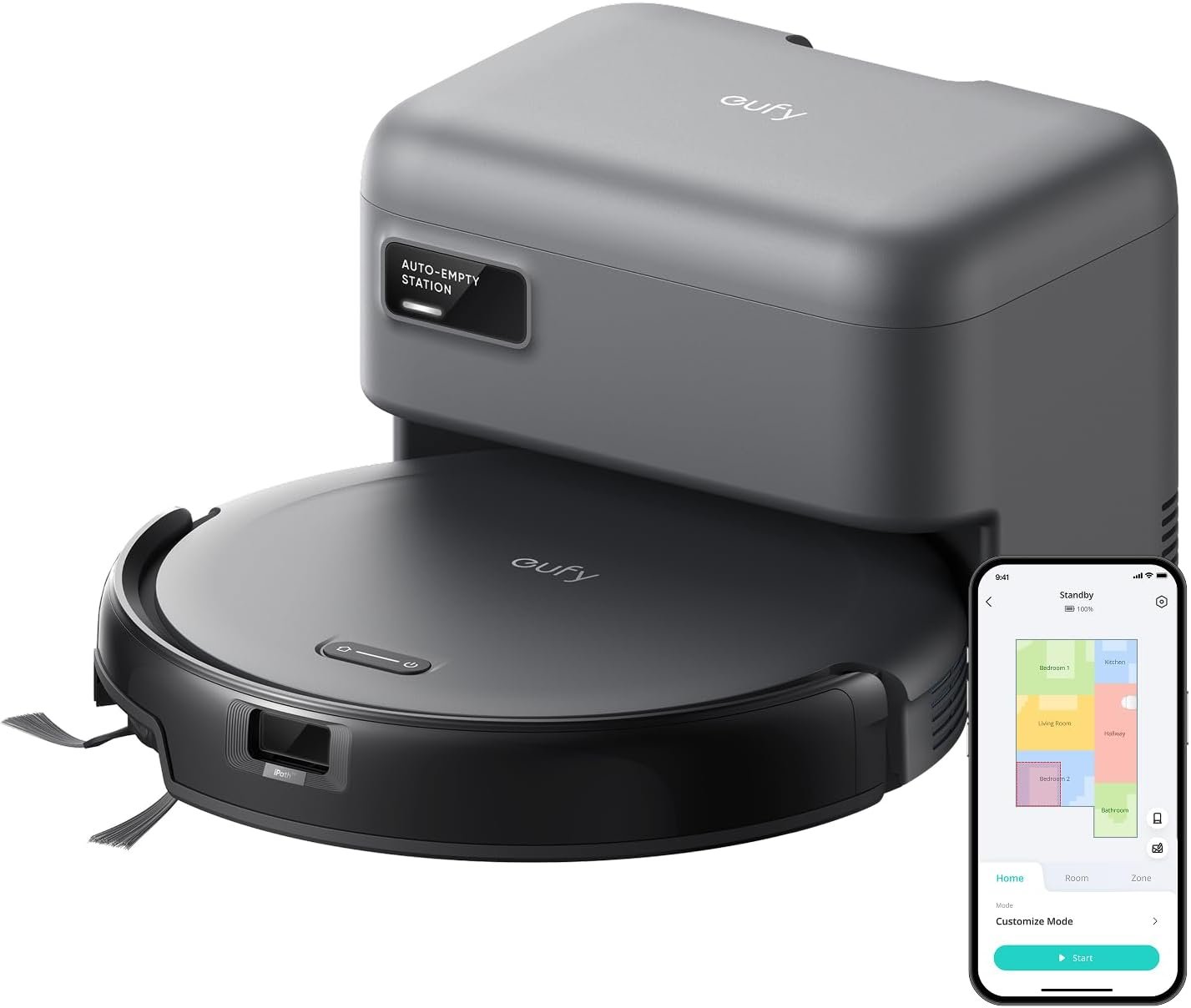
Selecting the optimal vacuum cleaner is a critical decision for any household, as it directly impacts the efficiency of daily cleaning and the overall cleanliness of living spaces. Modern homes face a variety of challenges, from the accumulation of pet hair and fine dust to the need for thorough cleaning on diverse floor types. Traditional vacuuming methods often fall short when dealing with mixed flooring—such as hard surfaces, wood, and short-pile carpets—each requiring distinct cleaning approaches. The rise of robotic vacuum technology has introduced new solutions, offering hands-free operation and advanced navigation systems to tackle these challenges. However, the effectiveness of a vacuum cleaner depends on its ability to adapt to different environments, manage debris types, and maintain consistent performance across various floor surfaces. For households with pets, allergy sufferers, or those seeking minimal maintenance, the right vacuum can significantly reduce cleaning time while preserving floor integrity. This review evaluates the eufy C10 Robot Vacuum, focusing on its design, performance, and suitability for modern living spaces with diverse cleaning needs.
Quick Overview
| Feature | Details |
|---|---|
| Vacuum Type | Robotic vacuum cleaner |
| Power Source | Battery-powered |
| Filtration System | Washable filter |
| Brush Design | 2.85-inch slim body with CornerRover Arm |
| Weight | 5.52 pounds |
| Floor Compatibility | Hard floors, wooden floors, short wool carpets, tile |
| Intended Use | Daily cleaning in homes with mixed flooring |
| Included Components | Robot vacuum, self-emptying station, quick start guide |
The eufy C10’s design and features are tailored for households requiring efficient, hands-free cleaning. Its 2.85-inch slim profile allows access to tight spaces, while the self-emptying station reduces manual maintenance. The washable filter ensures long-term cost-effectiveness, and the compatibility with multiple floor types makes it suitable for modern, multi-surface homes. These attributes collectively support a streamlined cleaning process, aligning with the needs of busy households seeking minimal intervention.

Floor Type Compatibility

Handling Hard Floors and Wood Surfaces
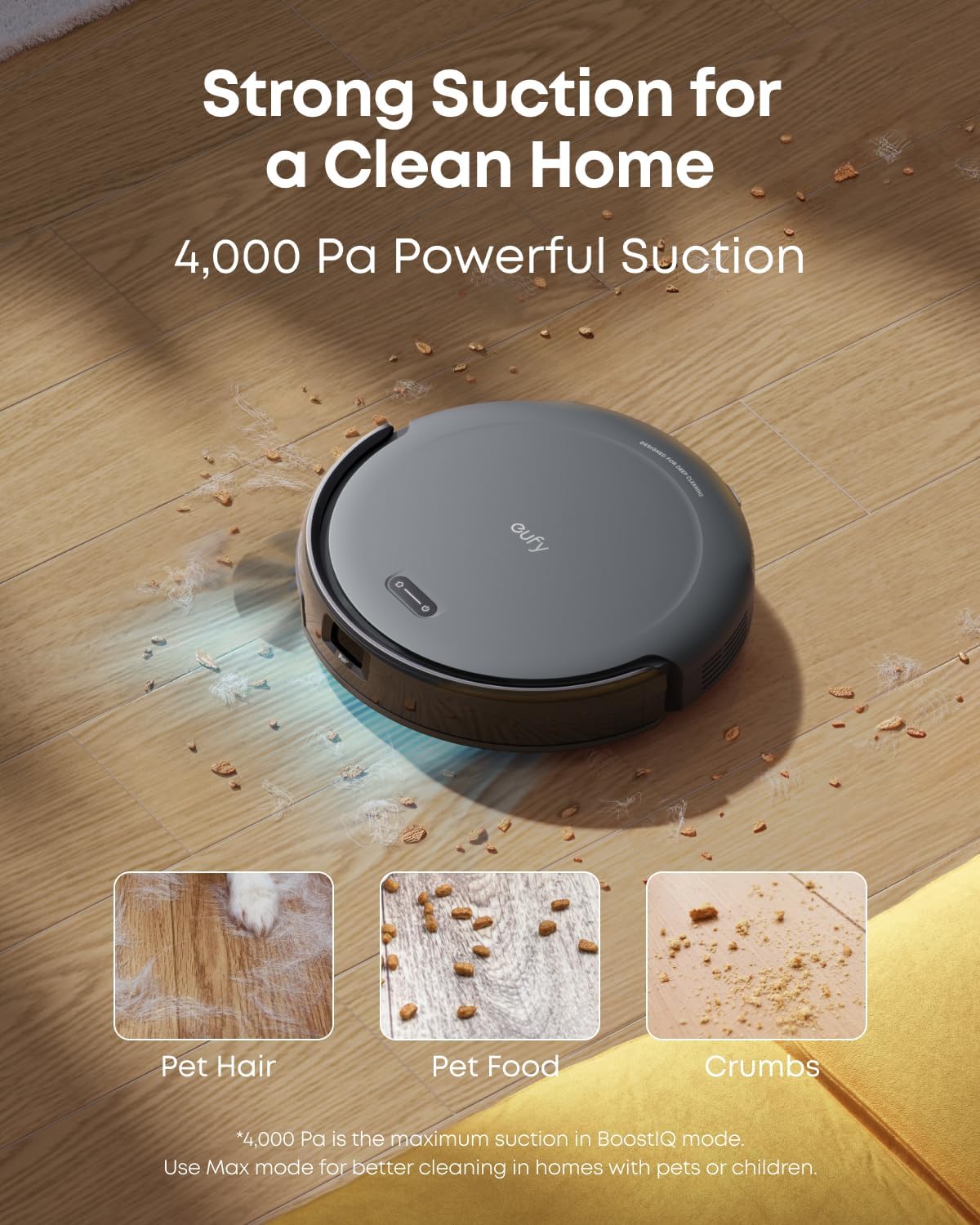
The eufy C10 is engineered to efficiently clean hard floors and wood surfaces, which are prone to accumulating fine dust, pet hair, and debris. Its 4,000 Pa suction power ensures thorough extraction of particles without damaging delicate surfaces. The slim design allows the vacuum to maneuver around baseboards, under furniture, and in narrow spaces, making it ideal for homes with low-profile furniture or tight corners. The lack of a heavy-duty brush head minimizes the risk of scratches on polished wood or tile, preserving the integrity of these surfaces over time.
Performance on Short Wool Carpets
For short wool carpets, the C10’s suction strength and brush design work in tandem to remove embedded dirt and hair. The 2.85-inch slim body enables the vacuum to navigate under furniture without getting stuck, while the CornerRover Arm extends to clean corners and edges where debris tends to accumulate. However, the vacuum’s performance on thicker or high-pile carpets may be limited, as the design prioritizes efficiency over deep cleaning in such environments. This makes it well-suited for homes with short-pile carpets but less effective for areas with dense or uneven pile.
Tile and Mixed Flooring Challenges
The C10 excels on tile surfaces, where its suction power effectively lifts grime and dust from crevices without the need for scrubbing. For mixed flooring—such as a combination of hardwood and tile—the vacuum’s adaptability ensures consistent performance across different surfaces. The self-emptying station further simplifies maintenance, as it automatically collects debris from the dust bin, reducing the frequency of manual intervention. However, the vacuum’s inability to adjust suction levels dynamically may result in uneven cleaning on highly varied floor types, requiring users to manually adjust settings for optimal results.
Suction Strength and Cleaning Efficiency

4,000 Pa Suction Power
The C10’s 4,000 Pa suction power is a key factor in its cleaning performance, providing sufficient force to extract fine dust, pet hair, and crumbs from various surfaces. This suction level is particularly effective on hard floors and short-pile carpets, where debris is more likely to be surface-level. The vacuum’s ability to maintain consistent suction throughout its cleaning cycle ensures that no area is left with residual dirt. However, the suction power may not be sufficient for deep-cleaning thick carpets or heavily soiled areas, which may require additional passes or manual intervention.
CornerRover Arm for Edge Cleaning
The CornerRover Arm is a standout feature that enhances the C10’s ability to clean hard-to-reach areas. This extendable side brush mechanism reaches into corners, under furniture, and along edges where debris can accumulate. The arm’s design ensures that even the smallest strands of pet hair or dust are captured, improving overall cleaning efficiency. However, the effectiveness of the CornerRover Arm may be limited in spaces with extremely tight corners or obstacles, as the vacuum’s slim profile restricts its reach in such scenarios.
Performance on Different Floor Types
The C10’s suction power and brush design are optimized for hard floors and short-pile carpets, where they can efficiently remove surface-level debris. On tile surfaces, the vacuum’s suction ensures that grime and dust are lifted from the gaps between tiles. However, for thicker or high-pile carpets, the vacuum’s performance may be less effective, as the suction power and brush design are not tailored for deep-cleaning in such environments. Users with mixed flooring may need to adjust settings or manually assist in areas where the vacuum’s capabilities are limited.
Filtration Quality and Allergen Containment
Washable Filter Design
The C10’s washable filter is a practical feature that reduces long-term maintenance costs and environmental impact. Unlike disposable filters, the washable design allows users to clean and reuse the filter, extending its lifespan. This is particularly beneficial for households with pets or allergy sufferers, as it minimizes the accumulation of fine particles that could otherwise be redistributed into the air. The filter’s effectiveness depends on regular cleaning, which ensures that it continues to trap allergens and debris without compromising airflow or suction performance.
Allergen Containment and Air Quality
The C10’s filtration system is designed to capture fine particles, contributing to improved indoor air quality. While the vacuum does not specify HEPA certification, the washable filter’s ability to trap allergens aligns with standard filtration principles for reducing airborne contaminants. The self-emptying station further supports allergen containment by containing dust and debris within the 3-liter dust bag, preventing the spread of particles during manual emptying. However, the absence of HEPA certification may be a consideration for users with severe allergies, as it indicates a higher level of particulate filtration.
Maintenance and Filter Replacement
The washable filter requires periodic cleaning to maintain optimal performance, which can be done manually without the need for replacement parts. This design reduces ongoing costs and simplifies maintenance, making it a user-friendly option for households. However, the filter’s effectiveness diminishes over time if not cleaned regularly, emphasizing the importance of consistent maintenance. Users should be aware that the filter’s performance is directly tied to its cleanliness, which may require additional effort compared to disposable filter systems.
Maneuverability and Ease of Use

2.85-Inch Slim Design
The C10’s 2.85-inch slim profile is a significant advantage for navigating tight spaces and avoiding obstacles. This design allows the vacuum to reach under furniture, along baseboards, and in narrow corners where debris can accumulate. The slim body also reduces the likelihood of the vacuum getting stuck on low-profile objects, such as small rugs or furniture legs. However, the narrow design may limit the vacuum’s ability to handle larger obstacles, requiring users to manually clear the path in some cases.
LiDAR Navigation and App Control
The C10’s LiDAR navigation system enables it to create optimized cleaning paths, ensuring efficient coverage of the home. This feature reduces the need for manual intervention, as the vacuum can autonomously map and clean designated areas. The app control allows users to set customized cleaning schedules and monitor the vacuum’s progress, providing flexibility for busy households. However, the reliance on a 2.4GHz WiFi connection may limit compatibility with certain networks, and the absence of a remote control could be a drawback for users who prefer physical controls.
User-Friendly Features and Setup
The C10’s design emphasizes ease of use, with a straightforward setup process that includes the self-emptying station and quick start guide. The vacuum’s ability to automatically empty its dust bin into the station minimizes the need for manual maintenance, making it ideal for users seeking a low-effort cleaning solution. However, the initial setup may require some time to configure the self-emptying station and calibrate the LiDAR navigation, which could be a consideration for less tech-savvy users.
Noise Expectations

Quiet Operation for Home Environments
The C10 is designed with noise reduction in mind, making it suitable for homes where quiet operation is a priority. Its suction power and motor design are optimized to minimize noise without compromising cleaning efficiency. This is particularly beneficial for households with young children, pets, or individuals who are sensitive to loud noises. However, the vacuum’s noise level may still be noticeable in very quiet environments, such as bedrooms or offices, where minimal sound is required.
Impact on Daily Living
The C10’s quiet operation contributes to a more comfortable living environment, as it allows for cleaning without disrupting daily activities. The vacuum’s ability to operate at lower noise levels during scheduled cleaning cycles ensures that it does not interfere with household routines. However, the noise level may vary depending on the cleaning mode and the surface being cleaned, with more intensive cleaning on carpets potentially producing higher decibel levels.
Considerations for Noise-Sensitive Users
For users who prioritize noise reduction, the C10’s design is a notable advantage. However, it is important to note that the vacuum’s performance on different floor types may influence its noise output. While the vacuum is generally quiet, users in noise-sensitive environments should consider the specific floor types and cleaning modes to ensure optimal noise management.
Pros & Cons
Pros
- Self-Emptying Station: The C10’s self-emptying station reduces manual maintenance by automatically collecting debris into a 3-liter dust bag, requiring replacement only every 60 days.
- Powerful Suction: The 4,000 Pa suction power effectively removes fine dust, pet hair, and crumbs from hard floors and short-pile carpets.
- Slim Design for Tight Spaces: The 2.85-inch slim profile allows the vacuum to navigate under furniture and in narrow corners, improving access to hard-to-reach areas.
- LiDAR Navigation: The LiDAR system enables the vacuum to create optimized cleaning paths, enhancing efficiency and coverage without manual intervention.
- Washable Filter: The reusable filter reduces long-term maintenance costs and minimizes environmental impact through sustainable cleaning practices.
- App Control: The app interface allows users to schedule cleaning cycles and monitor the vacuum’s progress, offering flexibility for busy households.
- Quiet Operation: The vacuum’s design minimizes noise, making it suitable for homes where quiet operation is a priority.
- 120-Minute Battery Life: The extended battery life ensures the vacuum can cover large areas without frequent recharging, improving cleaning efficiency.
Cons
- Limited Reach for Thick Carpets: The slim design and suction power may not be sufficient for deep-cleaning thick or high-pile carpets, requiring additional passes or manual intervention.
- Dependence on 2.4GHz WiFi: The vacuum’s app control requires a 2.4GHz WiFi connection, which may limit compatibility with certain networks or devices.
- 3-Liter Dust Bag Capacity: While the large capacity reduces the frequency of manual emptying, it may still require periodic attention, especially in homes with high debris accumulation.
- Manual Maintenance for Filters: The washable filter requires regular cleaning to maintain optimal performance, which may add to the user’s maintenance workload.
- No Remote Control: The absence of a physical remote control may be inconvenient for users who prefer direct, hands-on operation.
Final Verdict: Who This Vacuum Is Best For (and Who Should Skip It)
The eufy C10 Robot Vacuum is best suited for households with mixed flooring, including hard floors, wood, and short-pile carpets, where its powerful suction and slim design excel. It is particularly ideal for pet owners and allergy sufferers, as the self-emptying station and washable filter help contain allergens and reduce manual cleaning. The LiDAR navigation and app control make it a convenient option for busy households seeking minimal intervention. However, users with thick carpets, limited WiFi access, or a preference for more frequent emptying may find the C10 less suitable. Its quiet operation and extended battery life further enhance its appeal for noise-sensitive environments and large spaces. For those requiring deep-cleaning capabilities or a more robust filtration system, alternative models with advanced HEPA certification or thicker carpet compatibility may be more appropriate.
Frequently Asked Questions (FAQs)
Does the eufy C10 robot vacuum work well on thick carpets?
The eufy C10 is optimized for short-pile carpets and hard floors, where its 4,000 Pa suction power effectively removes surface-level debris. However, its slim design and suction strength may not provide sufficient deep-cleaning for thick or high-pile carpets, which may require additional passes or manual intervention.
How often do I need to replace the dust bag in the eufy C10?
The eufy C10’s self-emptying station features a 3-liter dust bag that only needs replacing every 60 days, thanks to its large capacity. This reduces the frequency of manual emptying, making it ideal for households with moderate debris accumulation.
Can the eufy C10 clean under furniture and in tight spaces?
The C10’s 2.85-inch slim design allows it to reach under furniture, along baseboards, and in narrow corners. This makes it effective for cleaning hard-to-reach areas, though extremely tight spaces may require manual adjustment.
What type of Wi-Fi does the eufy C10 support?
The eufy C10 requires a 2.4GHz Wi-Fi connection for app control, which may limit compatibility with networks that only support 5GHz frequencies. Users should ensure their home network meets this requirement for optimal functionality.
Is the eufy C10 suitable for allergy sufferers?
The eufy C10’s washable filter helps trap allergens, reducing airborne particles. However, it does not specify HEPA certification, which may be a consideration for users with severe allergies seeking higher particulate filtration.
How long does the eufy C10’s battery last?
The C10’s battery provides up to 120 minutes of continuous cleaning, enabling it to cover large areas without frequent recharging. This is ideal for homes with extensive floor coverage, though battery life may vary based on cleaning modes and surface types.
Can the eufy C10 clean tile and hardwood floors effectively?
The eufy C10 excels on tile and hardwood surfaces, where its 4,000 Pa suction power efficiently lifts grime and dust. The vacuum’s slim design allows it to navigate tight spaces, making it suitable for cleaning around baseboards and under furniture.
What are the limitations of the eufy C10’s filtration system?
The eufy C10’s washable filter is effective for trapping allergens but does not specify HEPA certification. Regular cleaning is required to maintain optimal performance, and users with severe allergies may prefer models with advanced filtration systems.